Technical Translation Services For Manufacturers.
02 September, 2026· Article by Taylor Anderson

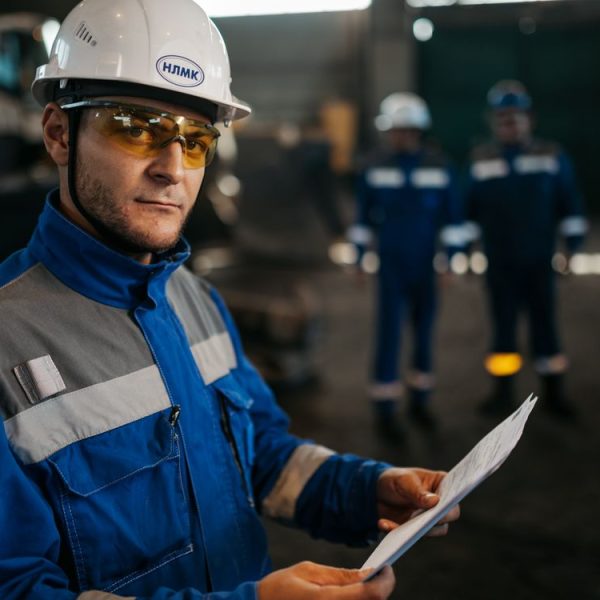
A family company in Poland that builds packaging lines for food factories has just signed its first big contract in Mexico. The machines are ready to ship but the operating manuals exist only in Polish and in a rough English version that the engineers wrote late at night. The Mexican plant manager asks for Spanish documentation before any worker touches the equipment. The export director suddenly sees that paper can stop a shipment as easily as a missing part. This article explains how manufacturers can prepare technical documents for foreign customers so that machines start working on schedule and safety is never left to guesswork.
Why Manuals Decide Whether A Machine Works
Operators rarely read a manual for pleasure. They open it when something is unclear or when a warning light appears and they need an answer immediately. If the text is confusing or inaccurate they improvise and improvisation on a production line leads to damaged equipment and injuries. A well written manual in the reader's own language is therefore one of the cheapest forms of insurance a manufacturer can buy.
The Documents That Travel With Every Machine
A typical shipment includes an operating manual and a maintenance schedule and a spare parts catalogue and safety notices and a declaration of conformity. Each of these texts has its own style and its own audience. Operators need short instructions while maintenance staff need detailed procedures. Buyers' legal teams need exact references to standards. Mixing these purposes in a single file makes everything harder to read and harder to translate.
Write The Source Text For Translation
The best moment to improve a translation is before it starts. Short sentences and consistent terms and clear subjects make the source easier to understand for both people and software. Avoid idioms and avoid long chains of nouns that can be read in several ways. When engineers know that their text will be used in many languages they naturally write with more care and the final result improves everywhere.
Choosing Specialists Who Understand Machines
General linguists often struggle with torque values and pressure ratings and electrical symbols. Companies that need accuracy should look for technical translation services staffed by people with engineering backgrounds who can recognise when a source sentence is ambiguous and ask the right question. A short call between the translator and the design engineer at the start of a project often prevents dozens of corrections later.
Terminology Is The Backbone
Every industry has words that look simple but carry exact meaning. A valve is not just a valve and a bearing is not just a bearing. Creating a glossary with approved terms in each language keeps documents consistent across hundreds of pages and several years of updates. The glossary also helps sales and service teams use the same words when they speak with customers by phone or by email.
Safety Wording And Legal Duty
Warnings must be unmistakable. In many countries the law requires safety information in the local language and a missing or unclear warning can make the manufacturer responsible for an accident. This is the one area where nothing should be left to chance. Each warning should be reviewed by a person who understands the standard and the machine and the risk. Specialists often add a second independent check for the most critical passages.
Legal exposure does not end with the warnings, because the supply contract, warranty terms and declaration of conformity are read just as closely after an incident. Exporters that handle those files through legal translation services give their legal teams one consistent set of documents to review in every language. A clear sign-off workflow for contracts and declarations also means updates reach every market at the same time. When a dispute arises, that paper trail is often the manufacturer's strongest protection.
The Role Of Standards
The field of technical writing relies on international standards for symbols and layouts and warning levels. Following them makes manuals recognisable to operators in any country. Translators who know these conventions can reproduce them correctly in the target language and avoid inventing new wording where an official phrase already exists. This saves time and ensures that the documents meet buyers' audits.
Layout And Illustrations
Spanish and German and Russian usually need more space than English. Drawings with callouts and tables with narrow columns can break when the text grows. Designers should prepare editable files and leave room for expansion. Images that contain text must be handled separately so that labels appear in the right language. A manual that looks professional builds trust before a single page is read.
Where Automation Fits
Many manufacturers look at top ai tools to speed up first drafts and to check consistency across large document sets. These tools can flag missing translations and repeated sentences and unusual numbers. They cannot judge whether a warning is strong enough or whether a procedure is safe. The sensible approach is to let software assist and to keep trained people responsible for the final text.
Managing Updates
Machines change over time and manuals must follow. Every revision creates a new set of documents in every language so a clear version system is essential. Store old and new versions together and note exactly what changed. Translation memories help here because they reuse approved sentences and highlight only the new parts which reduces cost and the risk of accidental differences.
Training Local Partners
Distributors and service engineers abroad need to understand the products deeply. Short training sessions based on the translated manuals reveal confusing passages before customers find them. Feedback from these sessions should flow back to the documentation team. Over time the manuals become sharper and the support calls decrease.
Learning From The Wider Industry
Modern manufacturing depends on global supply chains where a component made in one country is assembled in another and serviced in a third. Documentation travels along that chain and every handover is a chance for confusion. Companies that agree on one source of truth for terms and drawings avoid the errors that appear when each partner invents its own version.
Handling Urgent Changes
Sometimes a design change arrives a day before shipment. Having a trusted provider on call with access to the existing glossary and memory means the updated pages can be produced quickly and consistently. Plan this possibility in the contract and agree on turnaround times so that nobody is surprised when urgency strikes.
Planning The Budget
Documentation costs belong in the project budget from the first quote and not as an afterthought. Count the pages and the languages and the number of expected updates in the next three years. Ask providers for itemised offers that separate translation and review and layout. Clear numbers let management compare options and avoid the frustrating moment when a shipment waits because a manual is not ready.
Delivering Confidence Along With The Machine
Customers judge a supplier by the whole experience and not only by the hardware. Clear manuals and accurate labels and prompt answers show that the company respects their time and their safety. Manufacturers that treat documentation as part of the product win repeat orders and recommendations in markets where trust is built slowly.
Recent Posts
Technical Manual Translation: ...

Spanish Translation Services F...

Edilizia Sostenibile Tra Bulga...

Pratiche Ereditarie Con Docume...

Matricularse En Una Universida...
Contratar Personal Extranjero ...
Share it.

Links
We use cookies
We use cookies to give you the best online experience, remember your preferences, and understand how the site is used. You can accept all cookies, reject optional ones, or choose which categories to allow.
Privacy PolicyCookie preferences
Choose which cookies we can use. Necessary cookies stay on because the site cannot work without them.
For more details, read our Privacy Policy.